Tag: Free
-
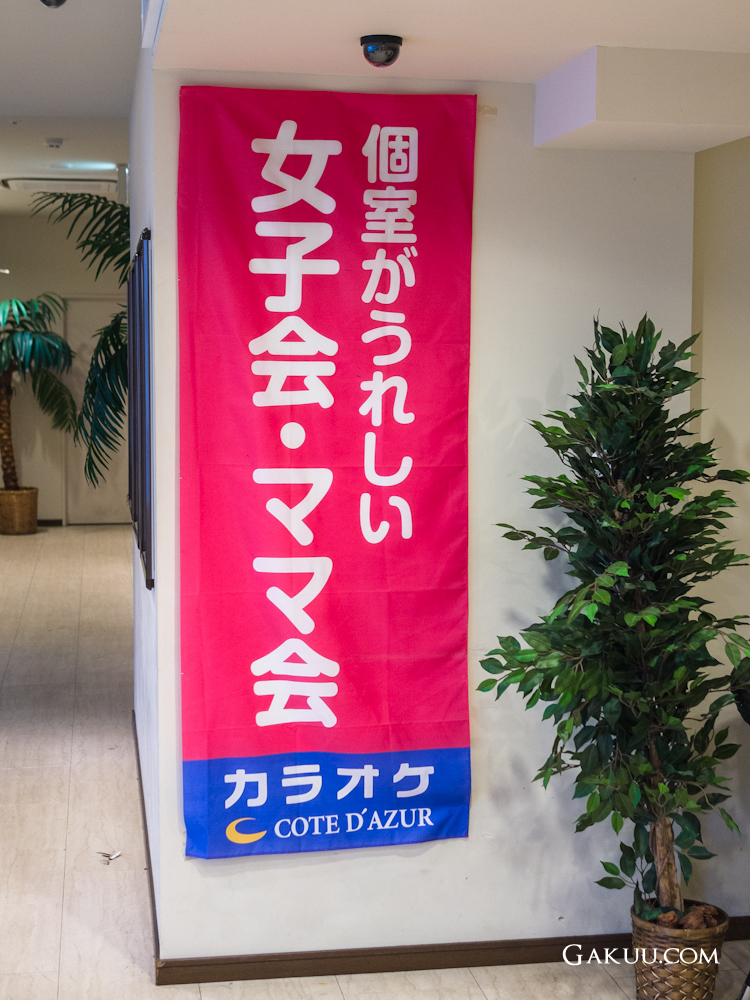
Mothers’ Meetings – ママ会
Something you’ll see a lot of in Japanese is the Kanji 会 (かい), which symbolises a grouping or meeting. Its uses are quite broad, from titles, such as ‘International Association’ (交際交流会 – こくさいこうりゅうかい) to birthday party (誕生日会 – たんじょうびかい) . The trick is simply to look for the Kanji on the end and think of…
-

Satisfying Real Life – リア充
A recent slang term that has naturally evolved with increased use of the internet and virtual interaction. The word is a mixture of リアル and 充実 (じゅうじつ) and refers to a person who is has a rich and satisfying offline (real) life. This is meant in contrast to an online (virtual) life that revolves around…
-

Top 10 Buzzwords of 2011 in Japan: 2
Continuing with the top 10 buzzwords of 2011 then, we take a look at the remaining 5 terms with were picked to best represent the year in Japan.
-

Top 10 Buzzwords of 2011 in Japan: 1
Publisher Jiyu Kokuminsha just released the year’s top 10 buzzwords. Selected by a panel of judges, they encapsulate the major trends throughout 2011. You can view the full list of 60 that were candidates here on Gakuranman.com and read more about the top 10 below. Naturally, as a Japanese lesson!
-
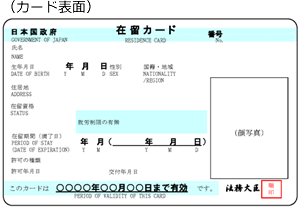
Changes to the Alien Registration System in Japan
A bit of an unusual update today. You have heard that the residence management system in Japan will be undergoing some rather big changes from July 2012. The current alien registration system will be abolished, and foreign nationals will be given a new ‘residence card’. They will also for the first time be able to…
-
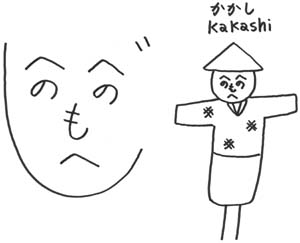
Henohenomoheji
Heno-heno 変じゃないのぉ?? What’s all this heno-heno business then? We take a brief look at this classic idea known by all Japanese people.
-
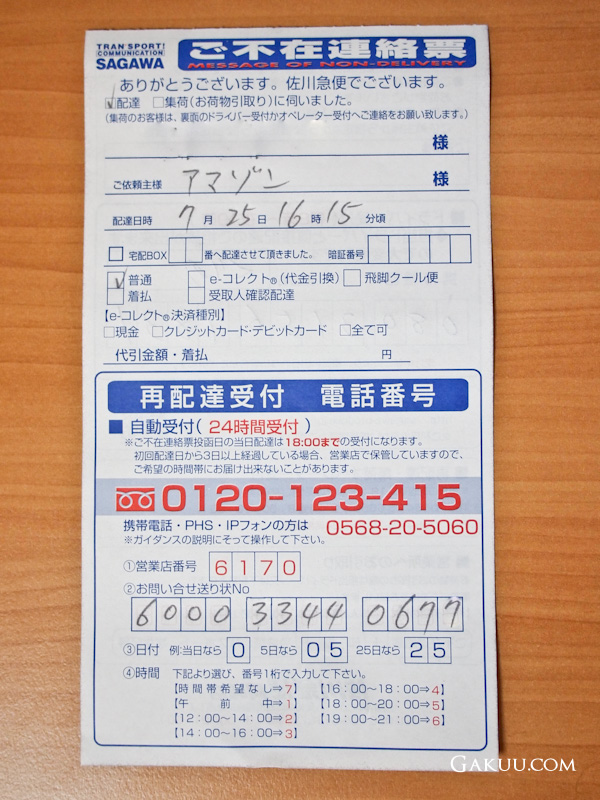
Delivery Services in Japan – 宅急便
A while ago we went over how to arrange re-delivery of post that you weren’t in the house to accept. This time though, the focus is on delivery companies, particularly Sagawa Express. Let’s get stuck into some listening and reading!
-

The Te Form Song
The Te-Form Song. What now?? A good question. This is a handy little mnemonic taught to me by my own teacher way back when I was still a beginning student of Japanese. It helped me immensely, so now I’m passing it on to you!
-
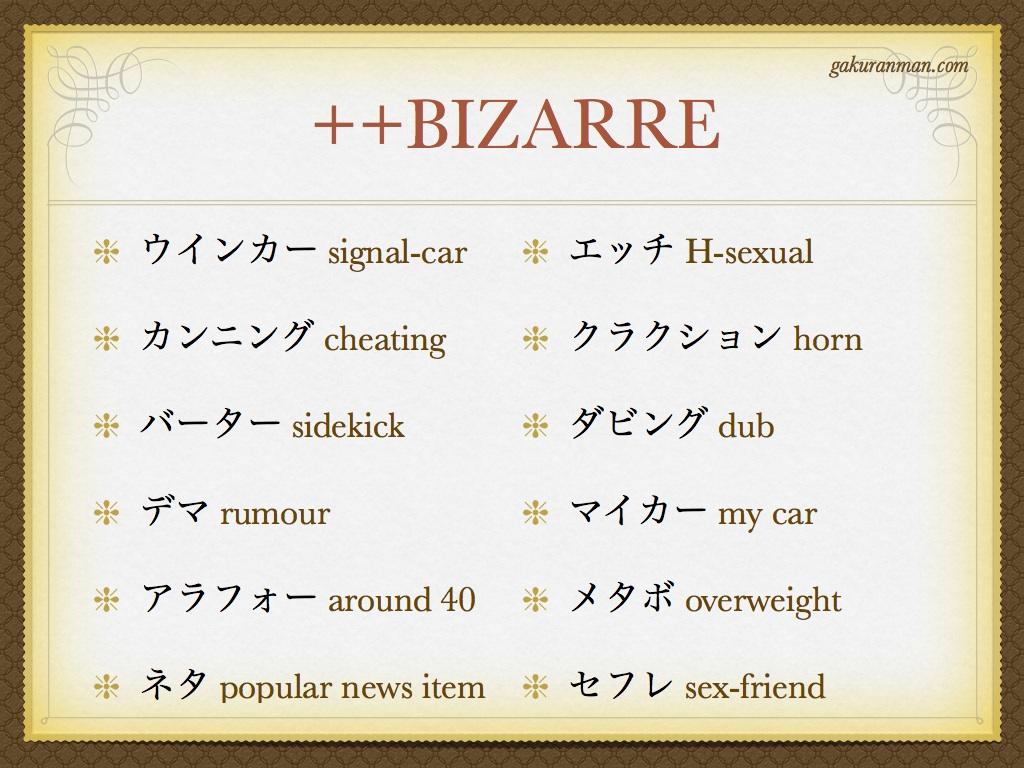
Curious Katakana Words 3
In the previous lessons (1, 2) we looked at foreign words, as well as onomatopoeic and mimetic expressions. This time, we’ll be examining some really interesting terms that splice two or more words together!
-
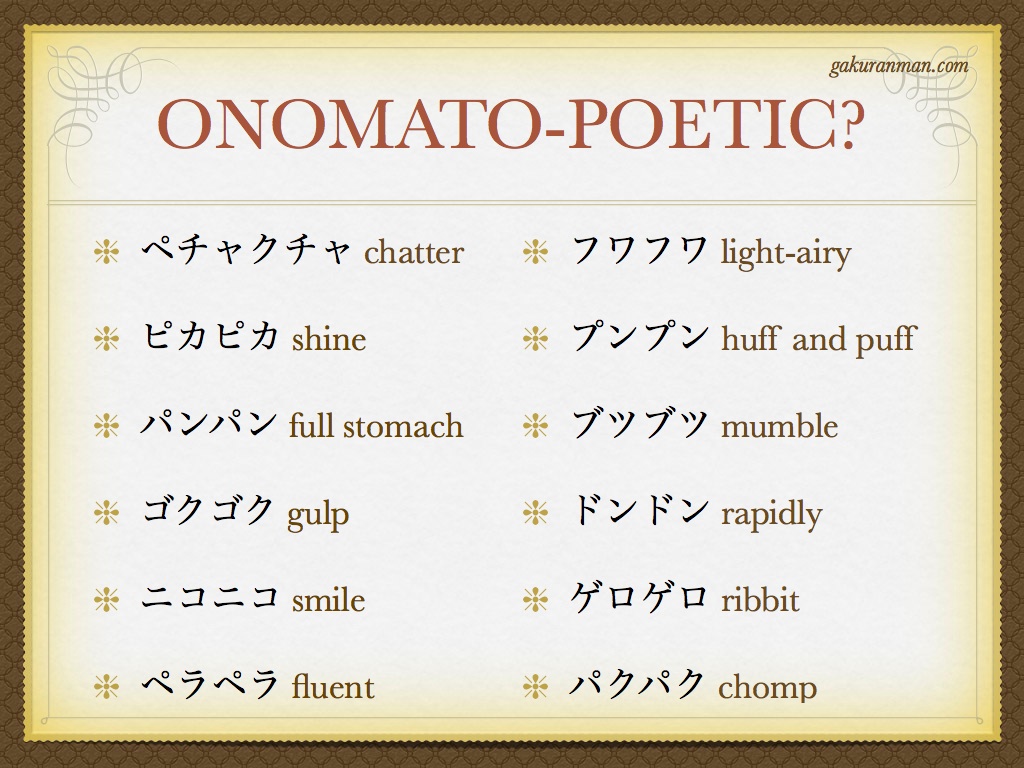
Curious Katakana Words 2
Last time we looked at foreign expressions that make up a portion of Curious Katakana Words. Today we explore some useful onomatopoeic words you can use to really express yourself!